
MESSI ERA
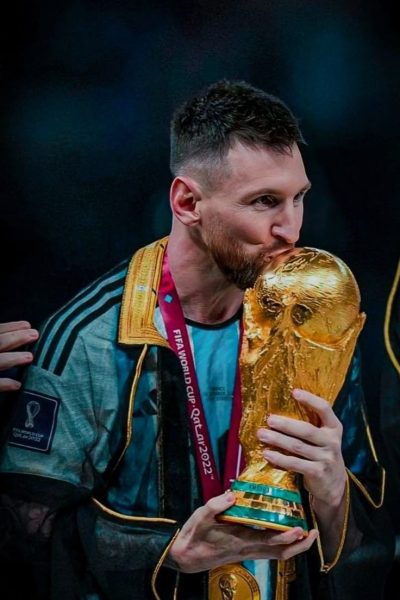
Lionel Andrés Messi, born on 24 June 1987 in Rosario, Argentina, is a name that has become synonymous with football greatness. His journey began with a simple dream and an extraordinary passion for the game. At the age of 13, he moved to Spain to join FC Barcelona’s famous La Masia academy, where the foundation of a historic career was built.Messi made his official first-team debut for Barcelona on 16 October 2004 against Espanyol and scored his first senior goal for the club in May 2005. What followed was an unforgettable era of football. In 778 official appearances for Barcelona, he scored 672 goals and delivered countless assists, winning 35 trophies, including 10 La Liga titles and 4 UEFA Champions League titles.His international journey with Argentina began on 17 August 2005. After years of determination and heartbreak, he finally lifted the Copa América in 2021. In 2022, he achieved football’s ultimate dream by leading Argentina to FIFA World Cup glory in Qatar, winning the Golden Ball and scoring 7 goals throughout the tournament. He later added another Copa América title in 2024.After his legendary Barcelona chapter, Messi played for Paris Saint-Germain, winning two Ligue 1 titles, before beginning a new journey with Inter Miami in 2023. There, he won the Leagues Cup in his first season and continued adding to his achievements. His individual collection is equally extraordinary: 8 Ballon d’Or awards, 6 European Golden Shoes and 2 FIFA World Cup Golden Balls. His ability to score spectacular goals, create chances, deliver assists, control the game and make the impossible look effortless has inspired millions around the world.From Rosario to Barcelona, from Paris to Miami, and from Argentina’s heartbreaks to World Cup glory, Messi’s journey represents talent, dedication, patience and an unbreakable belief in dreams.
2005 – The Beginning of a Legendary Journey
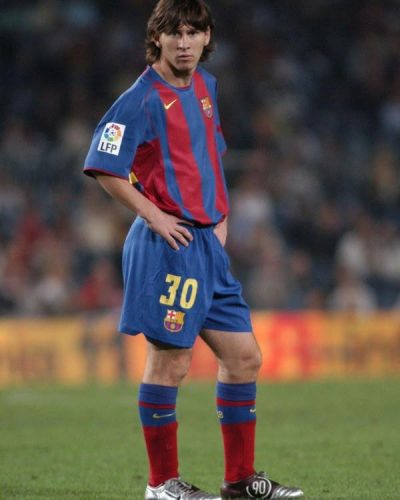
Lionel Messi made his senior international debut for Argentina on 17 August 2005 against Hungary, marking the beginning of his international journey. Earlier that year, on 1 May 2005, he scored his first official senior-team goal for FC Barcelona against Albacete in La Liga, becoming the youngest goalscorer in Barcelona’s league history at that time. In 2005, Messi also won the FIFA U-20 World Cup with Argentina, earning both the Golden Ball and Golden Shoe. These achievements marked the beginning of an extraordinary career that would eventually make him one of the greatest footballers in history.
2006 – The Rise of a Young Superstar
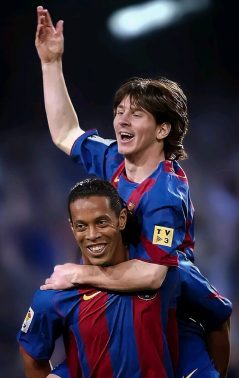
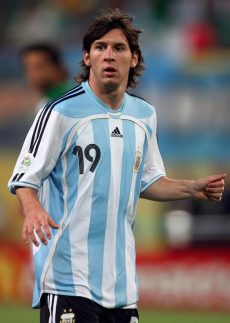
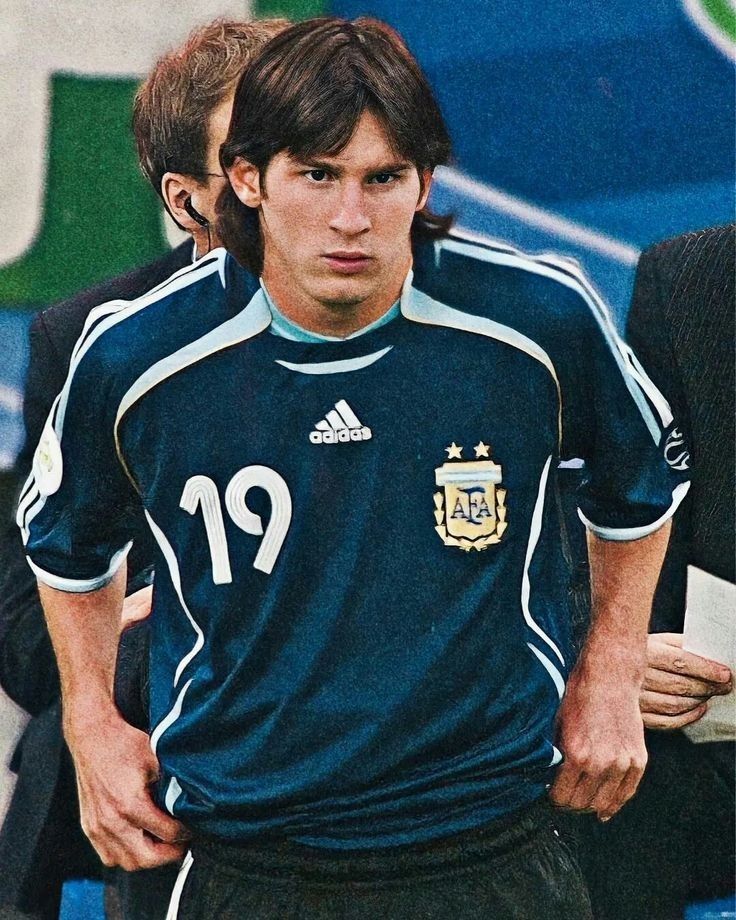
The year 2006 was another important chapter in Lionel Messi’s growing football career. After making his senior international debut in 2005, Messi scored his first senior international goal for Argentina on 1 March 2006 against Croatia in a friendly match. He was also selected for Argentina’s squad for the 2006 FIFA World Cup in Germany, making his World Cup debut against Serbia and Montenegro on 16 June 2006. In that match, Messi scored a goal and provided an assist, becoming the youngest Argentine player to score in a World Cup at that time. At club level, Messi helped FC Barcelona win the 2005–06 La Liga title and UEFA Champions League. Although an injury prevented him from playing in the Champions League final, he was part of the historic Barcelona squad that lifted the trophy. At just 18 years old, Messi was already showing the world that he was destined for greatness.
2007 – The Arrival of a Global Superstar
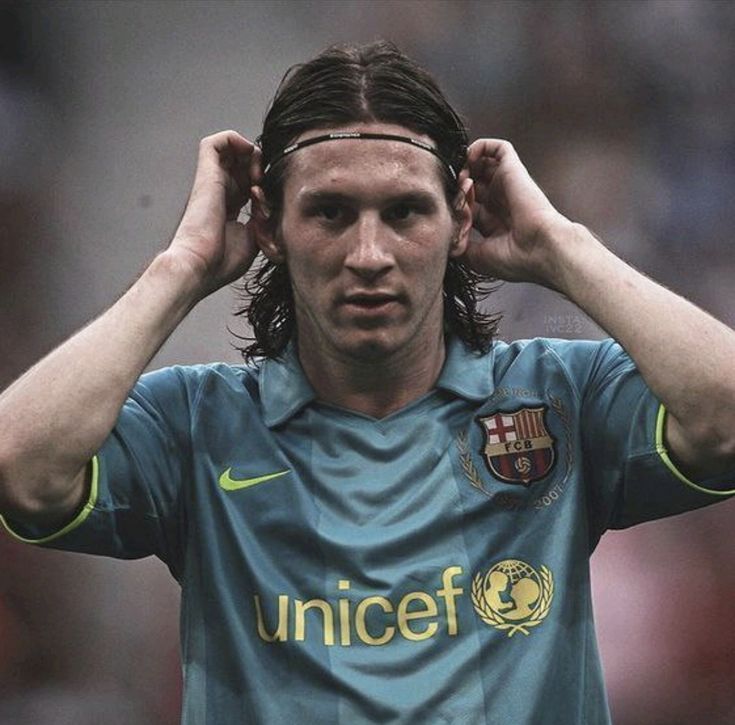
The year 2007 was a breakthrough period in Lionel Messi’s career as he continued to establish himself as one of football’s most exciting young talents. At FC Barcelona, Messi delivered outstanding performances, scoring 17 goals in La Liga and becoming a key figure in the team’s attack. One of his most unforgettable moments came on 18 April 2007, when he scored an incredible solo goal against Getafe in the Copa del Rey, drawing comparisons with Diego Maradona’s legendary goal. He also scored a remarkable hat-trick against Real Madrid in El Clásico, becoming the youngest Barcelona player to achieve this at that time. On the international stage, Messi represented Argentina at the 2007 Copa América, helping his country reach the final, where they finished as runners-up against Brazil. His performances earned him a place among the world’s best young footballers and brought him growing international recognition.
2008 – The Beginning of a Golden Era
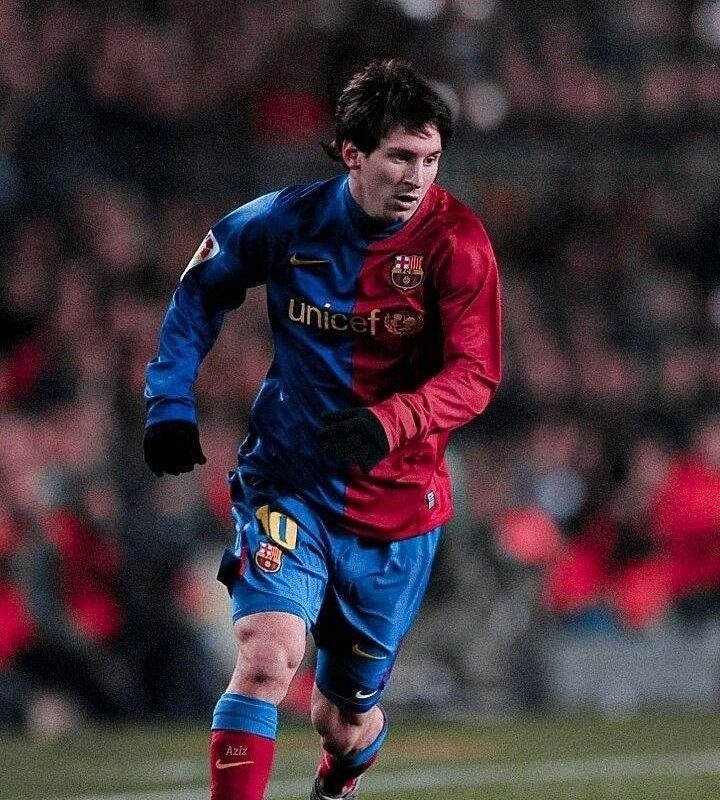
The year 2008 marked an important step in Lionel Messi’s journey towards becoming one of the greatest footballers in history. At FC Barcelona, Messi became an increasingly influential player, scoring 16 goals in La Liga during the 2007–08 season and showcasing his incredible dribbling, creativity and goal-scoring ability. Although Barcelona did not win a major trophy that season, Messi continued to prove his importance to the team. On the international stage, Messi represented Argentina at the 2008 Beijing Olympic Games, where he played a crucial role in helping his country win the Olympic gold medal. He scored two goals during the tournament, including an important goal against the Netherlands in the quarter-finals. Under coach Pep Guardiola, a new era began at Barcelona, setting the stage for an extraordinary period of success. The Olympic gold medal became another memorable achievement in Messi’s growing international career.
2009 – The Year of Historic Glory and First Ballon d’Or
The year 2009 marked a historic turning point in Lionel Messi’s career, as he reached the absolute peak of world football with FC Barcelona. Under the legendary management of Pep Guardiola, Messi became the heart of Barcelona’s attacking force, scoring 38 goals in all competitions during the 2008–09 season. He played a decisive role in helping Barcelona win La Liga, the Copa del Rey and the UEFA Champions League, completing a historic continental treble. In the Champions League final against Manchester United on 27 May 2009, Messi scored a memorable header to help Barcelona secure a 2–0 victory and lift their third European Cup. Barcelona continued their dominance by winning the UEFA Super Cup, Spanish Super Cup and FIFA Club World Cup, becoming the first club to achieve the historic six-trophy sextuple in a single calendar year. On the international stage, Messi continued representing Argentina in the 2010 FIFA World Cup qualifying campaign. His outstanding performances throughout the year earned him his first-ever Ballon d’Or in December 2009, making him the first Argentine player to win the award in its original format. He also received the FIFA World Player of the Year award. At just 22 years old, Messi had officially established himself as the world’s greatest footballer and began an era of extraordinary individual and team achievements.
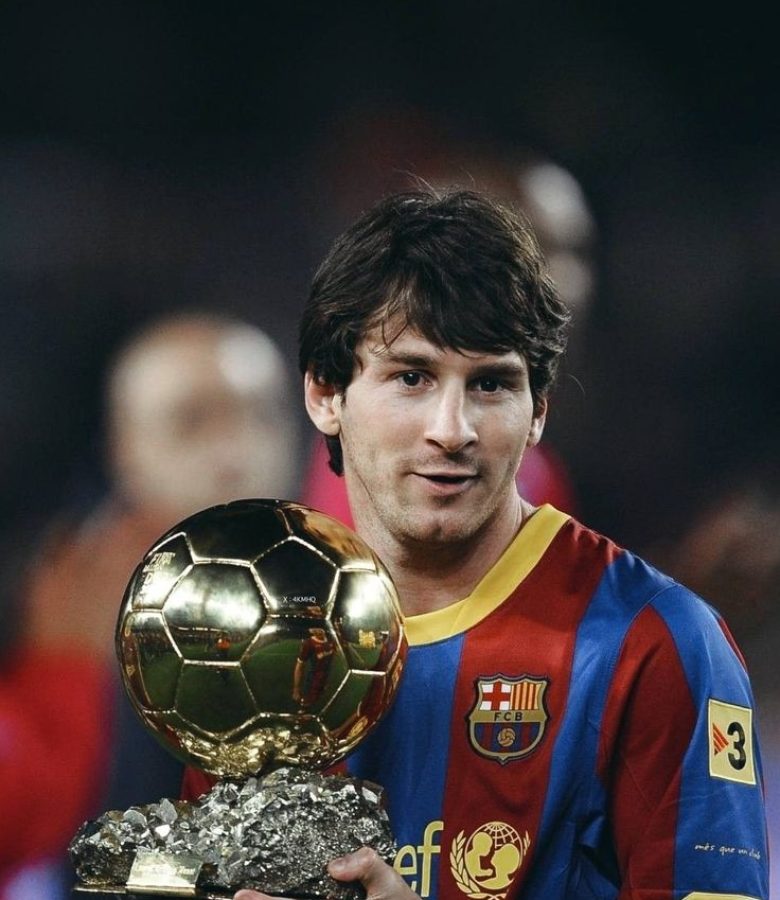
2010 – A Year of Records and Individual Excellence
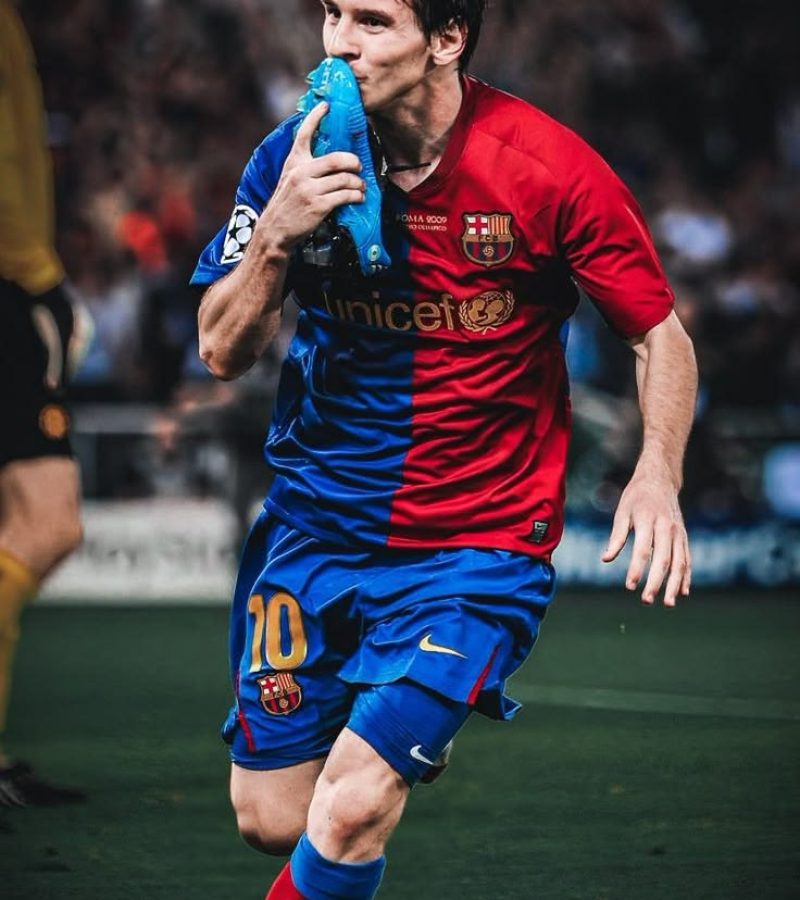
The year 2010 was another extraordinary chapter in Lionel Messi’s career as he continued to dominate world football with FC Barcelona. During the 2009–10 season, Messi scored 47 goals in all competitions, matching Ronaldo Nazário’s club record for goals in a single season at that time. He played a crucial role in helping Barcelona win their second consecutive La Liga title, finishing the league campaign with 34 goals and winning the European Golden Shoe. His incredible performances, dribbling, creativity and goal-scoring ability made him one of the most feared attackers in the world. On the international stage, Messi represented Argentina at the 2010 FIFA World Cup in South Africa. Although Argentina were eliminated by Germany in the quarter-finals, Messi delivered several impressive performances and played an important role in the team’s attacking play. Despite not scoring in the tournament, he remained one of the most influential players. In September 2010, he also scored his first international goal under coach Sergio Batista. At the end of the year, Messi received the inaugural FIFA Ballon d’Or, becoming the first winner of the newly combined award, adding another major individual honour to his growing legacy.
2011 – The Year of Absolute Dominance
The year 2011 marked another unforgettable chapter in Lionel Messi’s legendary career. At just 24 years old, Messi reached extraordinary heights, becoming the driving force behind Barcelona’s dominance in European football. With his magical dribbling, incredible vision, precise finishing and extraordinary playmaking abilities, he continued to amaze the football world. Under Pep Guardiola, Messi played a vital role in Barcelona’s historic success, helping the club win La Liga, the UEFA Champions League, the Spanish Super Cup, the UEFA Super Cup and the FIFA Club World Cup.
One of the greatest moments of the year came on 28 May 2011, when Messi delivered a sensational performance against Manchester United in the UEFA Champions League final. He scored a crucial goal as Barcelona secured a memorable 3–1 victory at Wembley Stadium. His performances throughout the season established him as the heart of Barcelona’s attacking system. Messi also finished as the Champions League’s top scorer with 12 goals. To complete an extraordinary year, he won his third consecutive FIFA Ballon d’Or in January 2012, recognising his remarkable achievements in 2011.
2011 was not just another successful year; it was a statement of greatness that brought Messi even closer to football immortality.
2012 – The Year of an Unbreakable Goal-Scoring Record
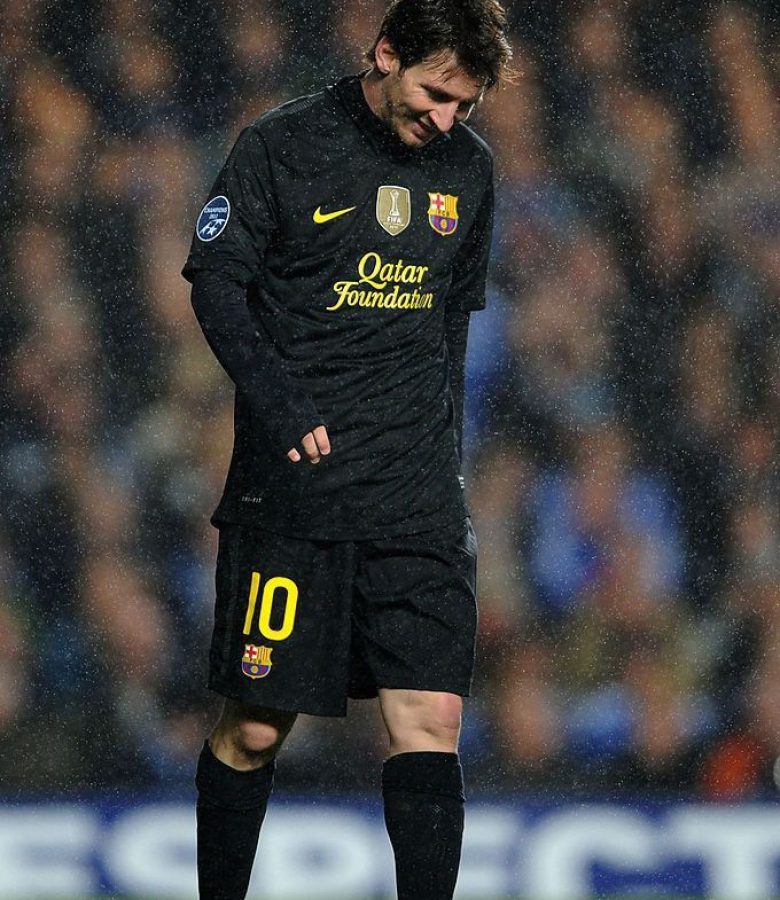
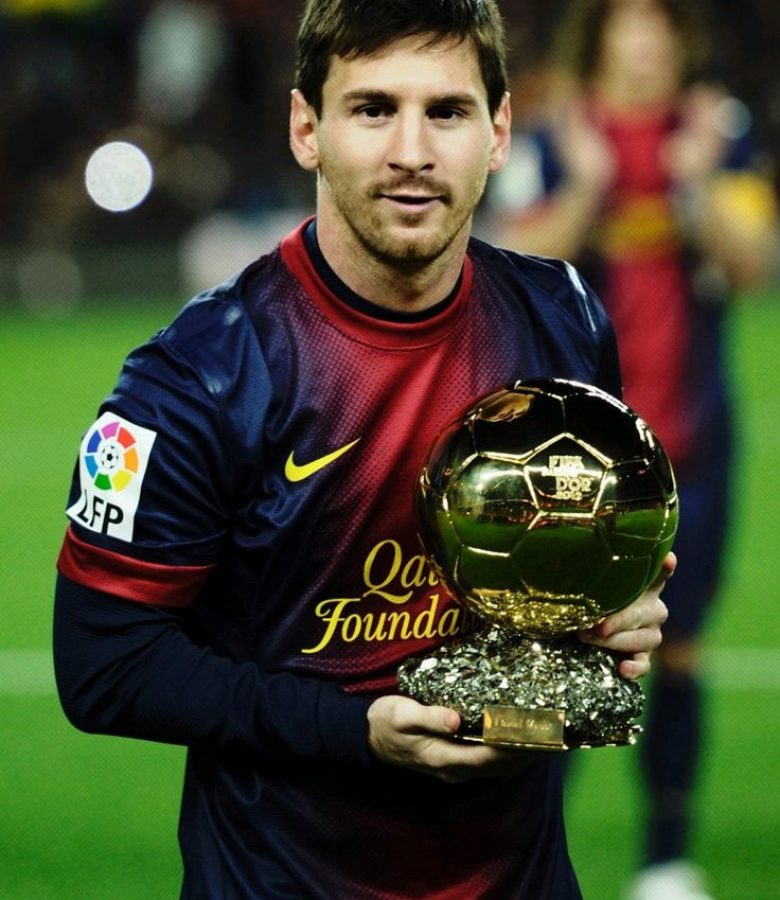
The year 2012 became one of the greatest and most historic years in Lionel Messi’s football career. He produced extraordinary performances for FC Barcelona, breaking numerous records and establishing himself as one of the most remarkable goal scorers in football history. On 7 March 2012, Messi scored an incredible five goals in a single UEFA Champions League match against Bayer Leverkusen, becoming the first player to achieve this feat in the modern Champions League era. During the 2011–12 season, he scored an astonishing 73 goals in all competitions, including a record-breaking 50 goals in La Liga, winning the European Golden Shoe. Although Barcelona could not win La Liga or the Champions League in 2012, Messi helped the club win the 2011–12 Copa del Rey, scoring in the final against Athletic Bilbao. On the international stage, Messi delivered outstanding performances for Argentina, scoring 12 goals throughout the calendar year, including his first international hat-trick against Switzerland on 29 February 2012. However, his greatest achievement came at the end of the year when he scored an unbelievable 91 official goals in a calendar year, with 79 for Barcelona and 12 for Argentina, surpassing Gerd Müller’s long-standing record of 85 goals. This historic achievement earned him his fourth consecutive Ballon d’Or, awarded on 7 January 2013, making him the first footballer in history to win the prestigious award four times. The year 2012 will forever be remembered as the year Messi redefined the limits of goal scoring and created one of football’s greatest records.